

Introduction
Hydrogen is poised to play a pivotal role in transforming the energy sector as we work to address climate change. To accelerate the transition to a low-carbon hydrogen economy and reduce emissions, we will need a hydrgoen workforce to support this emerging sector.
Establishing a thriving low-carbon hydrogen economy demands more than technological innovation. It requires substantial workforce training and skills development, emphasizing end-use applications, safety standards, and specialized expertise.
This report highlights the current and future workforce needs for the rapidly expanding hydrogen economy in the East Midlands. It also outlines the necessary skills and training development to prepare the workforce for this transition.
Market Overview
There have been a number of studies to assess the UK’s current workforce capabilities to support the hydrogen economy, revealing a widespread shortage of skilled workers across the supply chain. Building on this foundation, this report focuses specifically on the East Midlands’ workforce needs for hydrogen.
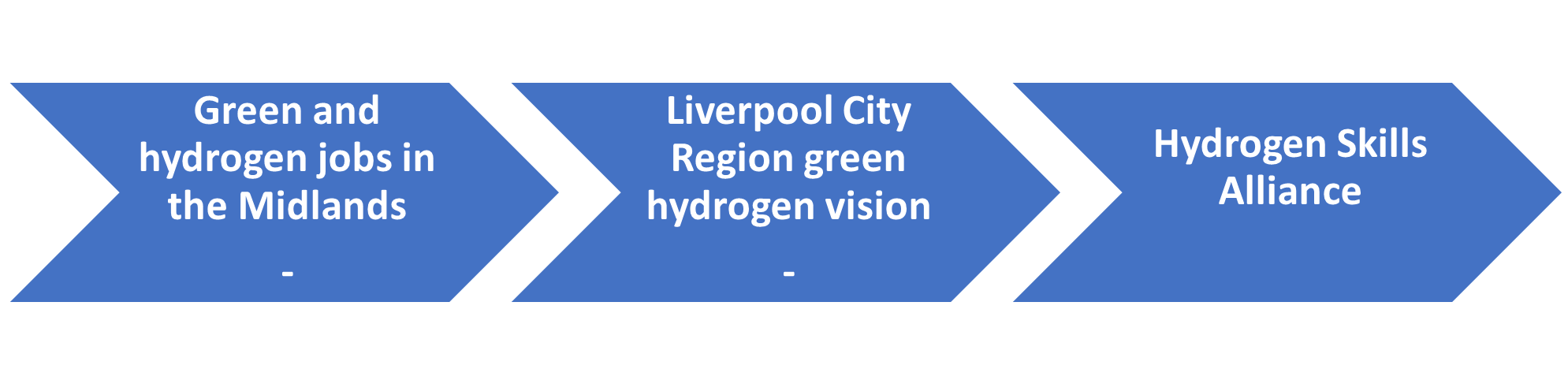
The East Midlands region has a rich industrial heritage, which includes power generation, construction and manufacturing providing a strong foundation for developing and scaling a hydrogen economy. Within the region, there is a growing demand for hydrogen, driven by world-leading partners such as Toyota, Uniper, and Cadent, who are at the forefront of integrating hydrogen into the supply chain. This, combined with the region’s strategic location, expanding renewable energy infrastructure, and recent government investment to establish an inland freeport, highlights its potential to become a key hub for hydrogen production, storage, and distribution.
Workforce Analysis
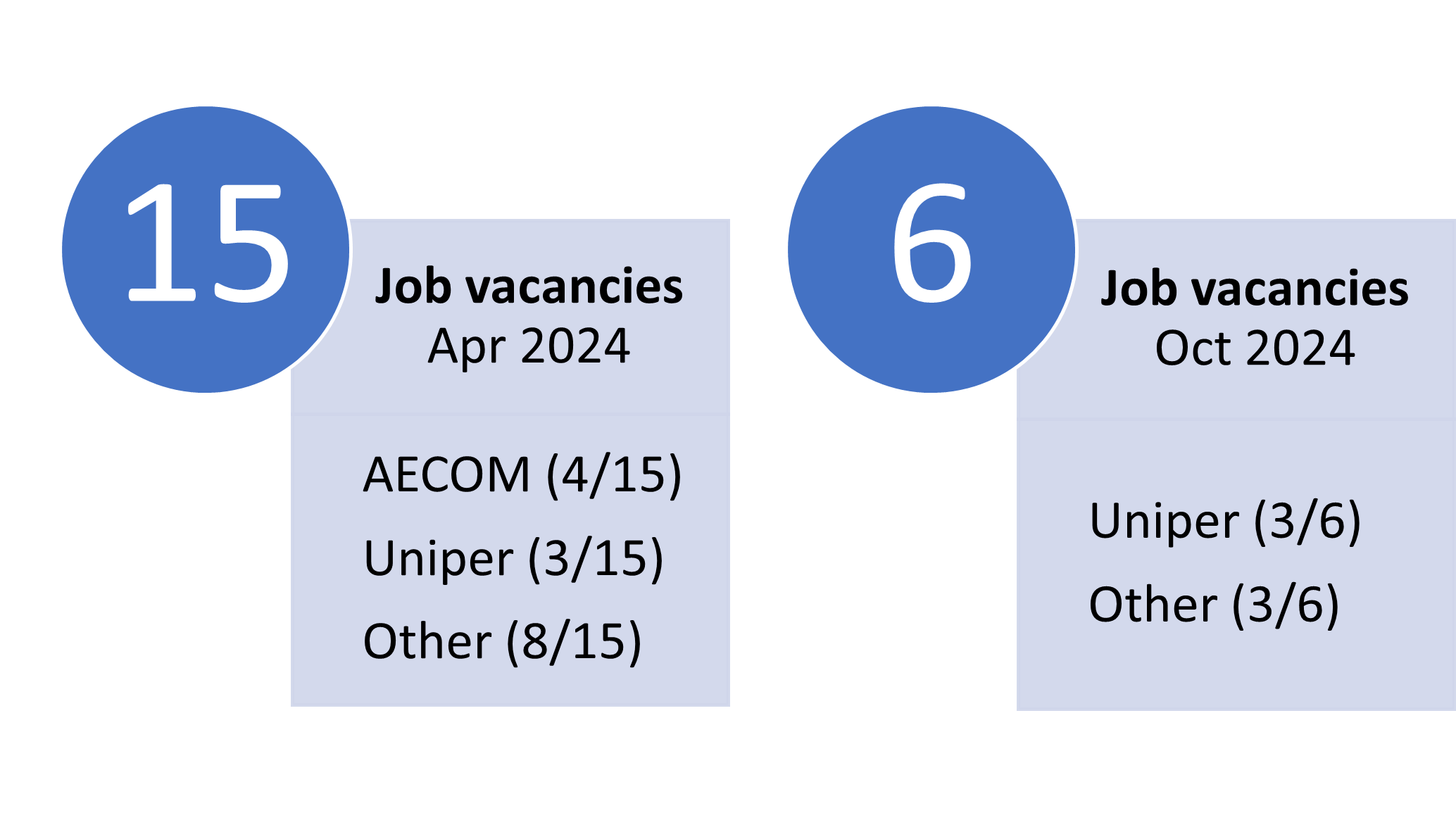
To gauge the current demand for hydrogen-related roles in the East Midlands, we conducted a LinkedIn-based job analysis using the keywords “Hydrogen” and “East Midlands.”
The initial search in April 2024 was followed by a subsequent search in October 2024. A key observation from this analysis is that many employers are incorporating hydrogen-related tasks into existing roles rather than creating dedicated positions. This trend will influence how hydrogen skills are integrated into both existing and new educational curricula.
Stakeholder Engagment
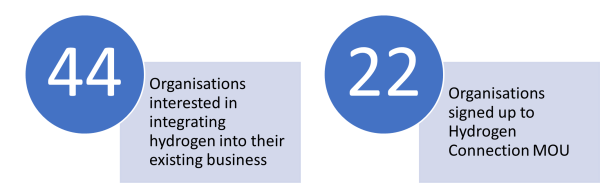
Due to the limited number of hydrogen roles within the current job markets, we felt further engagement was needed to gain a comprehensive understanding of the current and future hydrogen skills demand.
A multi-faceted approach was taken to engage directly with industry stakeholders, which included an industry survey and targeted workshops. The objective of these activities was to gather the missing insights from the “Job Search Analysis” on specific skill needs, identify existing gaps, and align training recommendations with industry requirements.
From the survey we were able to collect data on:
- the types of hydrogen activity organisations are involved in
- most important technical and soft skills requirements when hiring for hydrogen-related roles
- educational and professional development needs for a future hydrgoen-related workforce
The workshops highlighted challenges faced by SMEs within different sectors – sector-specific barriers and solutions tailored to the unique needs of SMEs in the hydrogen economy.
Curriculum Overview
Hydrogen-related competencies can be classified into two main categories:
- Skills: Practical abilities such as the safe handling of hydrogen, equipment installation, and system maintenance.
- Knowledge: Theoretical understanding of hydrogen properties, safety protocols, and regulatory standards, alongside strategic decision-making skills.

We conducted a comprehensive review of the existing hydrogen training programmes available in the UK, identifying a range of higher education courses and upskilling opportunities. By combining this information with insights gained from workforce demand analysis and industry engagement, we uncovered critical gaps in training and skills development.
These findings translate into actionable opportunities for education providers to address these gaps through the development of dedicated curricula. In doing so, education institutions can equip the workforce with essential skills to support the successful adoption of hydrogen technologies across industries.
Conclusion
The hydrogen economy presents a transformative opportunity for the East Midlands. However, its success hinges on aligning educational initiatives with industry demands and overcoming systemic barriers to workforce development. This report offers a foundational resource to guide strategic actions, strengthening the East Midlands’ leadership in the UK’s hydrogen strategy.